
For Builders
Tear-down and rebuild projects on tidal waterfront lots in Broward and Palm Beach counties start with the water. New construction on a tidally influenced lot triggers the current seawall and waterfront elevation standards at the time of the project, and the dredging and dock depth planning that go with them.
The standards
Seawall and waterfront elevation standards
When a waterfront home is taken down and rebuilt on a tidally influenced lot, the seawall and top-of-bank standards that apply today govern the project. Here is the Broward County framework every builder should have on the calendar.
Broward County ordinance, April 28, 2020
Broward adopted a countywide ordinance on April 28, 2020, setting minimum seawall and top-of-bank elevation standards in tidal flood prone areas. It was the first such countywide ordinance in Florida.
The 50 percent rule
A repair that touches more than half of a wall can legally require the whole wall to be raised to the current elevation. That means a routine repair on an older wall can trigger a full rebuild to today standard, so it should be designed, permitted and budgeted as part of the overall project.
2035 applications: 4 feet NAVD88, built for 5 by 2050
Under current Broward guidance, applications submitted before January 1, 2035 may be permitted at a minimum 4 feet NAVD88, as long as the wall is designed and built to accommodate 5 feet by 2050.
Fort Lauderdale: 5 feet NAVD88
Fort Lauderdale currently requires 5 feet NAVD88 for newly built or replaced walls, a taller standard than the countywide minimum.
In Palm Beach County, confirm the elevation standard that applies in the specific city and waterfront district, and verify the NAVD88 datum for the site before design work starts.
These standards change over time, and local city rules can differ from county guidance. Before starting any design or construction, verify the current requirements for your specific site with the local building department or a licensed professional.
Pre-construction checklist
Six items to close before you start
Waterfront site work is easier when the water is planned first. Run through this checklist before design is locked, so the permit path, budget and schedule line up.
Confirm the lot is tidally influenced
Determine whether the lot sits in tidal waters and confirm the NAVD88 datum for the site. The datum is the baseline every elevation standard is measured against.
Verify the seawall elevation standard
Confirm which seawall elevation standard applies to the project today. On a tidally influenced lot, new construction and major repairs are held to the current standard, not the old one.
Plan dock and boat lift depth
Design the dock and boat lift for the boats the home will serve, and plan the water depth those boats need at mean low tide. Dredging restores that depth as part of the site work.
Account for permit lead times
Permits cross federal, state and local agencies, including the U.S. Army Corps of Engineers (USACE). Environmental review considerations have recently delayed some Broward dredging projects, so start the process early.
Budget disposal and haul-away
Dredged material must be removed from the site. Budget material disposal and haul-away as a line item, and plan for a contractor that removes everything rather than leaving it in the waterway.
Schedule dredging and seawall work early
Dredging and seawall work are early site work. Getting them designed, permitted and scheduled up front keeps the build sequence on track and avoids delays later in construction.
Planning resource
Eastern Dredging as a planning partner
Builders bring us in during design, not after permissions run long. One crew handles the permitting, the dredging, the disposal and the haul-away, so the waterfront scope of the project has a single point of accountability.
Dredging and seawall work sit at the front of the schedule on a tidal lot. Planning them early protects your timeline and your budget.
Permit handling
Eastern Dredging handles the permit process across local, county, state and federal agencies, so the paperwork is managed as part of the job.
Purpose-built equipment
Barges and equipment sized to work around docks, pilings and boat lifts, suited to residential and marina waterfront sites.
Complete haul-away
All dredged material is loaded onto the barge, transferred into a specially designed truck and removed from the property.
Consultation during design
Bring Eastern Dredging in during design to align the seawall, dock, lift and dredging plan with the permit path and site conditions.
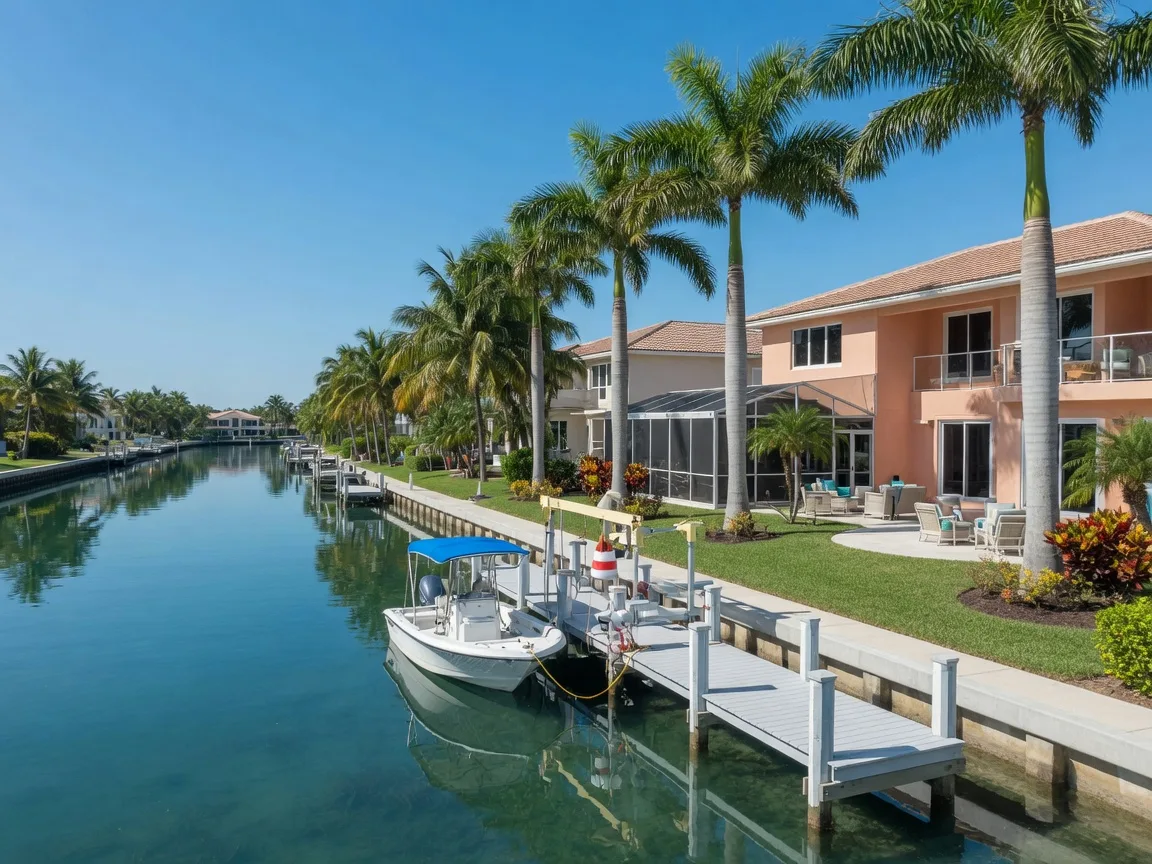
The waterfront scope, planned as early site work
Free estimate
Request your free on-site estimate
Tell us about the project and we'll schedule a free on-site estimate. A qualified crew reviews the lot, the waterway and the permit path so you can plan the waterfront scope with confidence.
Request Your Free On-Site Estimate
We'll call you back with a free estimate.
Plan the water early. Build on time.
Permit handling, purpose-built equipment, complete haul-away and design consultation.